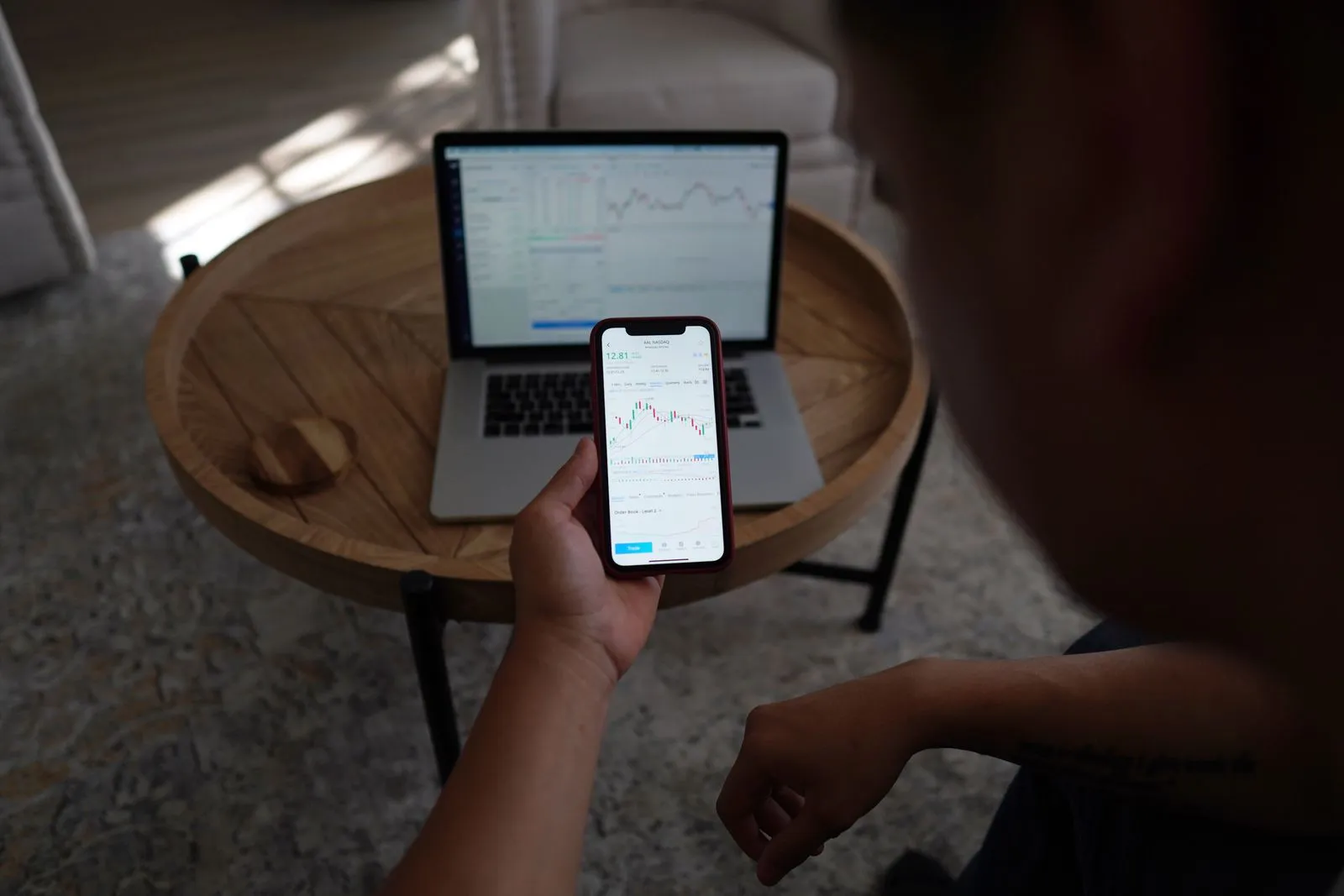
Imagine watching an important market movement when your trading screen suddenly freezes. Prices continue changing, but the application stops responding, leaving you uncertain about an existing position. Technical interruptions can happen even when financial markets remain fully operational. Anyone comparing forex brokers should consider how account access, technical support, and order management work during unexpected disruptions.
Although traders cannot prevent every connection failure, they can prepare for situations that temporarily restrict access. A practical contingency plan focuses on understanding existing exposure, protecting account information, and knowing which alternative procedures are available when ordinary trading functions become inaccessible.
Identify Common Causes Of Interruptions
Trading interruptions can originate from several sources, including unstable internet connections, device problems, software errors, or service maintenance. Identifying the likely cause helps determine which response may be appropriate without immediately assuming that the entire trading system has failed.
A frozen chart does not necessarily mean an open position has stopped changing in value. Market prices may continue moving while account information remains temporarily unavailable. Traders should understand this distinction because misunderstanding a technical problem can lead to unnecessary decisions once access returns.
Practice Essential Account Functions Beforehand
Learning platform controls during an emergency creates additional pressure. Traders should familiarize themselves with order history, open positions, margin information, and available account-management functions before committing actual capital.
An mt4 demo account can provide a simulated environment for practicing essential procedures. Beginners may explore how orders are displayed and modified while learning where important information appears. However, simulated practice cannot guarantee access or successful execution during an actual service interruption.
Establish Reliable Alternative Access Methods
Depending on the services available, traders may be able to access their accounts through desktop software, mobile applications, or browser-based interfaces. Understanding supported alternatives in advance can reduce confusion if one device stops functioning.
Alternative access methods should be verified through official instructions rather than assumed to be available. Traders should also confirm whether the same account supports each interface. Installing unfamiliar applications during an interruption may introduce security risks or create further technical difficulties.
Protect Connectivity And Device Readiness
A stable internet connection is important when accessing financial accounts. Weak wireless signals, operating system problems, and depleted batteries can interrupt routine monitoring at inconvenient moments.
Keeping devices updated and maintaining reliable connectivity may reduce some operational problems. A backup internet connection can be useful where practical, although it cannot prevent server-side failures. Traders should avoid assuming that additional equipment eliminates the possibility of interrupted access.
Understand Existing Orders During Disruptions
Orders may continue to exist on trading systems even when a user’s device becomes disconnected. However, their behavior depends on the platform, execution arrangements, and specific instructions submitted before the interruption.
Traders should review their provider’s documentation to understand how pending orders and protective instructions operate. A stop-loss may help manage exposure, but execution at the requested price is not guaranteed. Uncertain market conditions can create losses even when automated orders remain active.
Know Where To Find Official Support
Contact information and support procedures should be reviewed before problems occur. During an interruption, traders may need assistance understanding account status, technical errors, or available order-management options.
Official communication channels are preferable to unverified social media messages or unfamiliar support contacts. Individuals should never disclose passwords or authentication codes to someone claiming to resolve an urgent account problem. Financial account security remains important during stressful technical situations.
Avoid Duplicate Orders After Reconnection
When a trading screen stops responding during order submission, users may be unsure whether the transaction was completed. Repeatedly pressing the submission button can create a risk of unintended additional exposure.
Once access returns, traders should review open positions and transaction history before attempting another order. Account records can help establish what actually occurred. Acting on assumptions without checking confirmations may turn a temporary technical inconvenience into a larger financial problem.
Review Interruptions And Improve Preparedness
After a technical problem has been resolved, traders can document its duration, apparent cause, and effect on account access. Recording the steps taken may identify weaknesses in their existing contingency arrangements.
These reviews should focus on practical improvements rather than attempts to eliminate every possible failure. Keeping financial exposure manageable and understanding available support procedures can make future interruptions easier to handle. Avoiding unnecessary trading during uncertain conditions is also a reasonable precaution.
Conclusion
Technical interruptions are an operational risk that traders should consider alongside market volatility and transaction costs. Understanding alternative access methods, existing order behavior, account security, and official support procedures can improve preparedness. Trading information and platform resources available through tradewill.com may help users investigate relevant account features before difficulties arise. Nevertheless, no contingency plan guarantees uninterrupted access or prevents financial losses. Sensible exposure limits, careful verification, and calm decision-making remain essential when technology unexpectedly disrupts trading activities.
